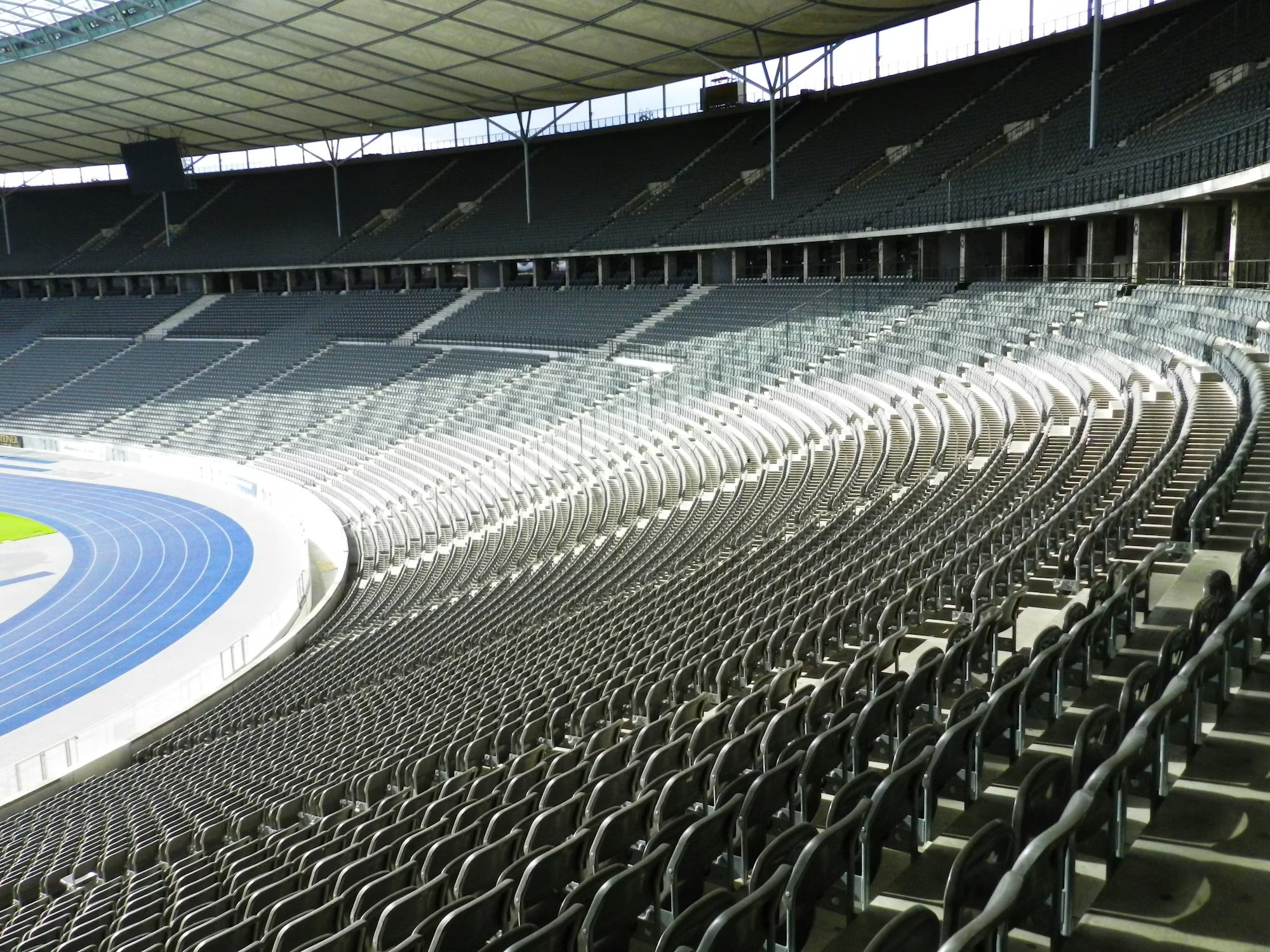
In recent years, sustainability has become a major consideration in the design and operation of sports stadiums around the world. As concerns about climate change and environmental degradation grow, stadiums are increasingly incorporating green practices to reduce their ecological footprint and promote sustainable development. This article explores how sustainability is reshaping the sports industry, highlighting the key elements of green design in stadium architecture, operations, and fan engagement.
The Growing Need for Sustainable Stadiums
Sports stadiums have always been massive structures, attracting tens of thousands of spectators for events, concerts, and other large-scale gatherings. However, the environmental impact of these venues has long been a topic of concern. Large stadiums consume enormous amounts of energy for lighting, heating, cooling, and entertainment systems. The need for water, waste management, and transportation services can further increase the environmental footprint of these venues.
With the rise of environmental consciousness in recent decades, many sports organizations, architects, and city planners have begun to take steps toward greener solutions. Fans, too, are increasingly aware of the environmental implications of attending major events, and they are beginning to demand more sustainable practices from the sports industry. This growing public awareness is driving change, as sports stadiums seek to reduce their negative environmental impact and incorporate eco-friendly features into their design and operations.
Green Architecture: Design Features for Sustainability
The architecture of sports stadiums has evolved significantly over the past few decades, and modern designs increasingly focus on energy efficiency and sustainability. Some of the most prominent features of green stadium design include:
– Energy-Efficient Systems
One of the most significant aspects of sustainable stadium design is the integration of energy-efficient systems. Modern sports stadiums are equipped with high-efficiency lighting, heating, ventilation, and air conditioning (HVAC) systems. For example, LED lighting systems are commonly used throughout the stadium to reduce electricity consumption, while advanced HVAC systems minimize energy use and carbon emissions.
In addition, many new stadiums are designed with renewable energy sources in mind. Solar panels are becoming a common feature on stadium rooftops, helping to generate clean energy to power the venue. For instance, the Mercedes-Benz Stadium in Atlanta, home to the NFL’s Atlanta Falcons, features a rooftop solar array capable of generating a significant portion of the stadium’s energy needs. Wind turbines are also being explored as a potential energy source for some venues, further reducing the reliance on traditional power grids.
– Water Conservation Systems
Water conservation is another crucial aspect of green stadium design. Stadiums use large amounts of water for things like irrigation, cleaning, and restroom facilities. To reduce water usage, many stadiums are incorporating water-saving technologies such as low-flow toilets and faucets, as well as rainwater harvesting systems.
The Levi’s Stadium in Santa Clara, California, is a notable example of a stadium that has embraced water conservation measures. The stadium collects and recycles rainwater, which is then used for irrigation and other non-potable purposes. This helps the stadium reduce its reliance on municipal water systems and contribute to sustainable water management.
– Green Roofing and Landscaping
Another trend in sustainable stadium design is the incorporation of green roofs and eco-friendly landscaping. Green roofs, which are covered with vegetation, help to insulate the stadium, reducing the need for air conditioning in the summer and heating in the winter. They also help manage stormwater by absorbing rainwater, preventing flooding and reducing the strain on drainage systems.
Stadiums like the Allianz Arena in Munich and the Vancouver Olympic Stadium in Canada are excellent examples of venues that feature green roofs. These green spaces not only enhance the stadium’s energy efficiency but also provide an aesthetically pleasing environment for both fans and the surrounding community.
– Sustainable Building Materials
The materials used in the construction of a stadium are another important consideration when it comes to sustainability. Many modern stadiums are built with sustainable, recycled, and locally sourced materials. Steel and concrete, for example, can be recycled, and sustainable wood products are being used for interior finishes.
The Etihad Stadium in Manchester, England, is a good example of a venue that prioritizes sustainable materials. During its renovation, the stadium made use of environmentally friendly construction materials, including recycled steel, glass, and timber. This approach reduced the stadium’s carbon footprint and contributed to its overall sustainability efforts.
Sustainable Operations: Reducing Environmental Impact During Events
Sustainable stadium design goes beyond architecture and building materials. The day-to-day operations of these venues play a significant role in reducing their environmental impact as well. Some of the operational practices being adopted in stadiums to promote sustainability include:
– Waste Management and Recycling Programs
Stadiums are major generators of waste, particularly during large events where thousands of fans consume food, drinks, and other products. To address this, many stadiums have implemented robust waste management and recycling programs. These programs encourage fans to recycle plastic, paper, and other materials, while also reducing the amount of waste sent to landfills.
The Levi’s Stadium in California again serves as an exemplary model. The stadium has a zero-waste program, meaning that it aims to divert 90% or more of its waste from landfills. This initiative includes composting, recycling, and the use of eco-friendly materials in food packaging.
– Transportation and Parking Solutions
Stadiums are often located in major cities, which means that transportation to and from events can have a significant environmental impact. In response, many stadiums are focusing on promoting sustainable transportation options. This includes providing bike racks for cycling fans, offering shuttle buses to and from public transit stations, and encouraging the use of electric vehicles (EVs).
For example, the Toyota Stadium in Frisco, Texas, has partnered with electric vehicle manufacturers to offer EV charging stations for fans. Additionally, the stadium offers discounts on parking for those who carpool or use public transportation, helping to reduce the overall carbon emissions associated with transportation to and from the venue.
– Food and Beverage Sustainability
The food and beverage industry within stadiums is another area where sustainability is being prioritized. Many stadiums are shifting toward sourcing local, organic, and sustainably produced food for fans. Additionally, some venues are making efforts to minimize food waste by donating leftover food to local charities or composting organic waste.
At the Banc of California Stadium in Los Angeles, for instance, the venue works with local farmers and sustainable food providers to offer fans healthier and eco-friendly dining options. The stadium also participates in food waste reduction programs that divert food from landfills to local community kitchens.
The Role of Fans in Promoting Sustainability
While the stadiums themselves play a key role in sustainability efforts, fans also have an important part to play. Fans can contribute to sustainability by making eco-conscious choices when attending events. This includes recycling, using public transportation or carpooling, and supporting sustainable food options within the stadium.
Many stadiums are actively encouraging fans to adopt more sustainable behaviors by providing information and incentives. For instance, the Mercedes-Benz Stadium offers discounts on concessions for fans who use reusable water bottles instead of purchasing single-use plastic bottles. The stadium also provides fans with digital ticketing options, reducing the need for paper tickets and further promoting sustainability.
Conclusion: A Green Future for Sports Stadiums
The shift towards sustainable stadiums is not just a passing trend—it represents a fundamental change in the way sports venues are designed and operated. From energy-efficient systems and water conservation measures to waste reduction and sustainable transportation solutions, sports stadiums are embracing green design practices in response to growing environmental concerns. This transformation is not only helping to reduce the ecological impact of these venues but is also creating a more sustainable future for the sports industry as a whole.
As the demand for eco-friendly practices continues to rise, we can expect to see even more innovations in stadium design and operations. In the future, sustainable stadiums will play a key role in creating more environmentally conscious communities while continuing to provide fans with the thrilling sports experiences they love. The future of sports stadiums is green, and it’s a future worth cheering for.