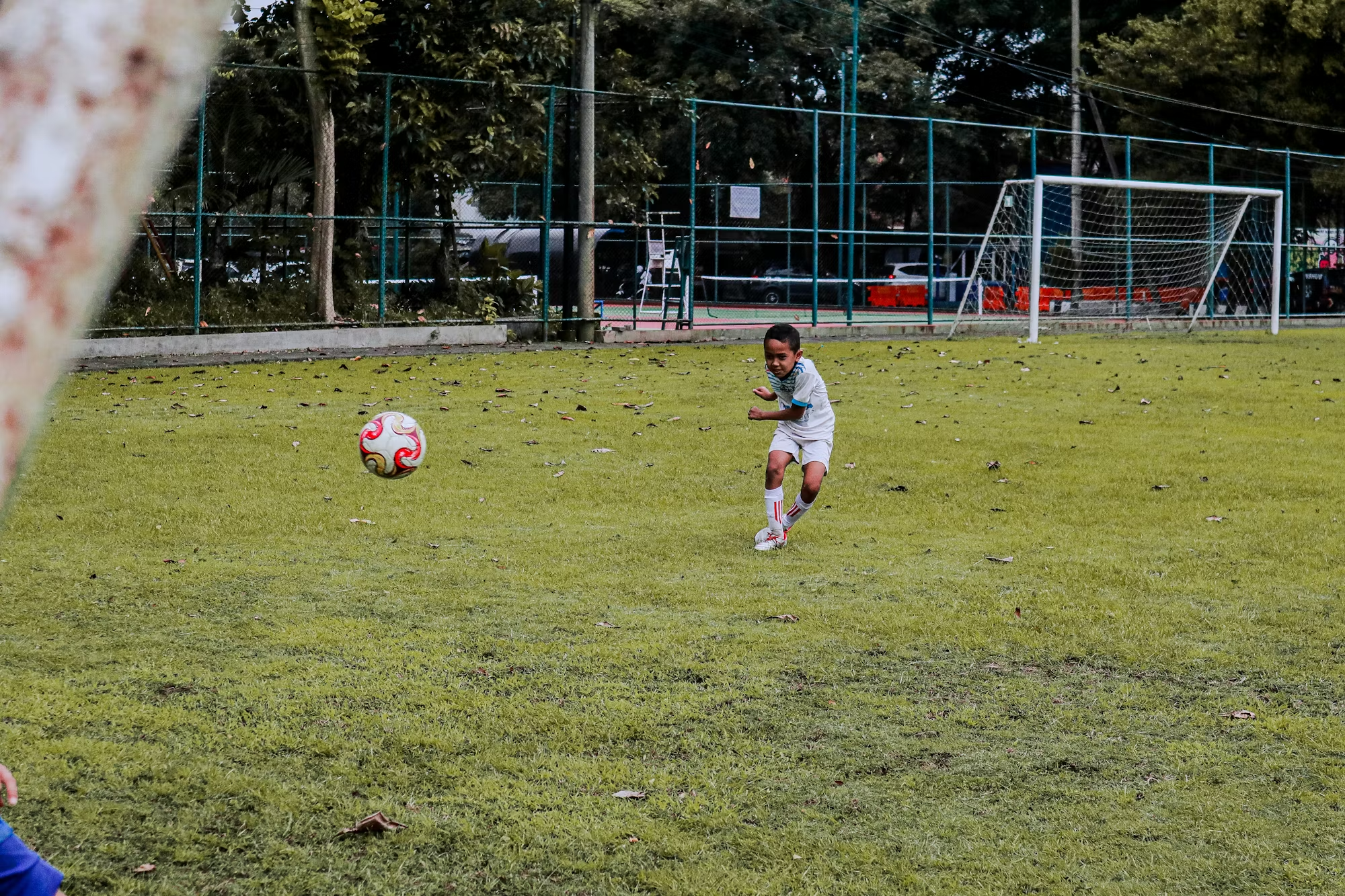
Football is more than just a game; it is a cultural phenomenon that transcends borders and unites people from diverse backgrounds. With billions of fans around the world, the sport has become a significant part of many cultures, influencing traditions, identities, and even social dynamics. This article delves into the cultural impact of football, highlighting its role in community building, its influence on local and national identities, and its power to inspire social change. At the heart of football’s cultural significance is its ability to bring people together. From local parks to grand stadiums, matches create a shared experience that fosters camaraderie among fans. In many communities, football clubs serve as the centerpiece of social life, providing a sense of belonging and community pride. Supporters gather to cheer for their teams, celebrate victories, and commiserate over losses, creating bonds that often last a lifetime. This communal spirit is particularly evident during major tournaments like the FIFA World Cup, where nations unite to support their teams. The excitement and passion surrounding these events can ignite national pride and solidarity, as fans wear their colors with honor and come together to celebrate their shared love for the game. Football also plays a crucial role in shaping local and national identities. In many countries, the sport reflects the culture and values of the people. For example, in Brazil, football is deeply intertwined with national identity, symbolizing joy, resilience, and creativity. The famous Brazilian style of play, characterized by flair and skill, embodies the country’s vibrant culture. Similarly, in England, football has long been a source of national pride, with clubs like Manchester United and Liverpool representing regional loyalties and historical significance. The rivalries that exist between clubs often mirror social and cultural divides, adding depth to the sport’s narrative within society. The cultural impact of football extends beyond the pitch; it influences music, art, and fashion. Football has inspired countless songs, with anthems sung by fans becoming synonymous with club and national pride. From the chants in stadiums to chart-topping hits celebrating iconic players, the sport’s influence permeates the music scene. Additionally, football has inspired artists and filmmakers, who capture the drama and emotion of the game in their works. The beautiful game often finds its way into street art, murals, and photography, showcasing the passion that surrounds it. Fashion is also influenced by football, with clubs and players becoming trendsetters. The jerseys worn by fans are more than just uniforms; they are fashion statements that express loyalty and identity. The global reach of football has also given rise to a thriving merchandise industry, where brands collaborate with clubs and players to create stylish and innovative apparel. Furthermore, football has the power to inspire social change, addressing critical issues within communities. Many clubs and organizations use their influence to promote equality, inclusion, and social responsibility. Initiatives aimed at combating racism, supporting mental health, and empowering marginalized groups have emerged, leveraging the sport’s platform for positive change. For example, programs that promote youth engagement in football often aim to bridge social divides and provide opportunities for underprivileged children. These initiatives demonstrate how football can serve as a vehicle for social progress, fostering a sense of hope and empowerment in communities around the world. The global nature of football also allows for cross-cultural exchanges that enrich the sport and its impact. As players from different countries join clubs in various leagues, they bring their unique backgrounds and styles of play, creating a melting pot of footballing cultures. This diversity enhances the game, allowing fans to experience different playing styles and traditions. Moreover, international competitions provide a platform for countries to showcase their talent and passion for the sport, further solidifying football’s role as a unifying force. The influence of football is particularly profound in youth culture. For many young people, playing football is a rite of passage that instills values such as teamwork, discipline, and perseverance. Grassroots programs encourage children to engage with the sport, teaching them essential life skills while promoting healthy lifestyles. The camaraderie built on the pitch often extends to friendships off the field, fostering a sense of belonging among peers. As children grow into adults, their love for football continues to shape their identities, influencing their choices and aspirations. In recent years, the advent of technology and social media has further transformed the cultural landscape of football. Fans can now connect and share their passion online, creating global communities that transcend geographical boundaries. Social media platforms allow supporters to engage with their teams and players in real time, enhancing their connection to the sport. This digital age has also given rise to new forms of storytelling, with documentaries and podcasts exploring the rich history and cultural significance of football. As we look to the future, the cultural impact of football is likely to continue evolving. The sport’s ability to adapt to changing societal norms and values will be crucial in maintaining its relevance. Issues such as diversity and inclusion will shape the narrative of football, as fans and players alike advocate for a more equitable sport. In conclusion, football’s cultural impact is profound and far-reaching, influencing communities, shaping identities, and inspiring social change. As a global phenomenon, the sport brings people together, fostering connections that transcend borders. Through its influence on music, art, and youth culture, football continues to be a powerful force in society. By embracing its role as a catalyst for positive change, football can further enrich communities and create a lasting legacy that celebrates the beauty of the game.