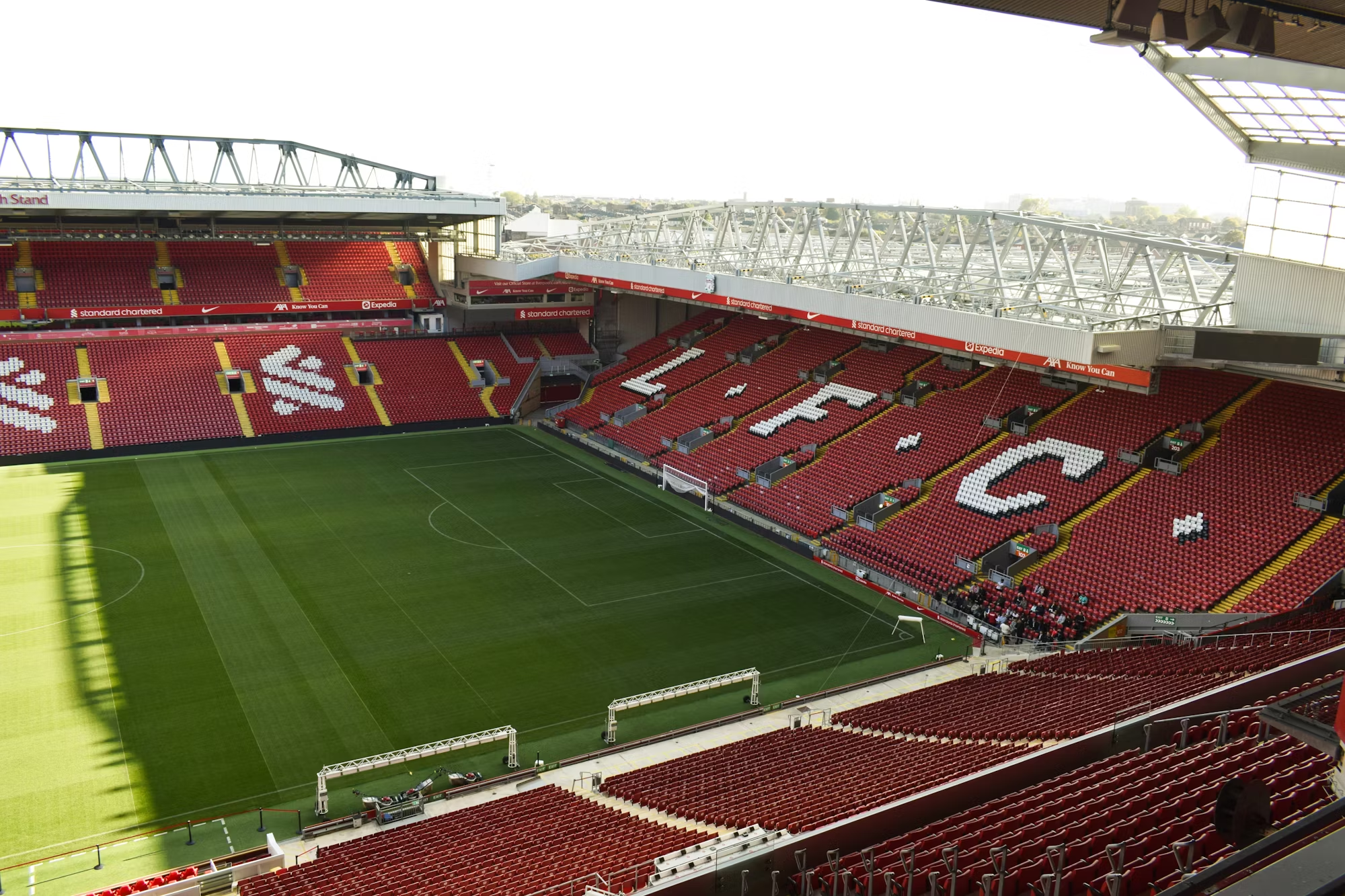
In the evolving landscape of sports and entertainment, multi-purpose stadiums have emerged as versatile venues that cater to a variety of events, from sports to concerts and beyond. This flexibility not only maximizes the utility of the space but also enhances community engagement, making these stadiums vital assets in urban development. This article explores the appeal of multi-purpose stadiums, highlighting their design considerations, benefits, and the challenges they face in an increasingly specialized world.
The Concept of Multi-Purpose Stadiums
Multi-purpose stadiums are designed to host a wide range of events, accommodating different sports, concerts, and large gatherings. Unlike single-sport venues that are tailored to specific requirements, these stadiums must balance the diverse needs of various activities. The idea is to create spaces that can transform seamlessly, providing a quality experience regardless of the event being hosted.
Historical Context
The trend towards multi-purpose stadiums gained momentum in the mid-20th century as cities sought to maximize the return on investment for sports facilities. Early examples like the Rose Bowl in California and the Cotton Bowl in Texas demonstrated the feasibility of hosting different types of events within a single venue. However, it wasn’t until the 1990s that the concept truly took off, with stadiums such as the Ericsson Globe in Sweden showcasing the potential for hosting everything from ice hockey to concerts.
Design Considerations for Multi-Purpose Stadiums
Designing a multi-purpose stadium involves several key considerations to ensure it meets the demands of various events while providing an enjoyable experience for all attendees.
1. Flexible Seating Arrangements
One of the primary design challenges is creating adaptable seating configurations. Many multi-purpose stadiums incorporate retractable seating, allowing for adjustments based on the type of event. For instance, the T-Mobile Arena in Las Vegas features movable seating that can accommodate hockey games, basketball matches, and concerts with ease. This flexibility enhances the experience for fans, ensuring they have a great view regardless of the event.
2. Field and Court Versatility
The playing surface must also be adaptable. Multi-purpose stadiums often utilize synthetic turf or specialized flooring that can be modified to suit different sports. For example, the Barclays Center in Brooklyn has a unique flooring system that accommodates basketball, hockey, and concerts, ensuring the surface meets the specific requirements of each event.
3. Infrastructure and Amenities
In addition to seating and playing surfaces, multi-purpose stadiums must be equipped with comprehensive amenities. This includes ample restroom facilities, concession stands, and access points that can handle varying crowd sizes. The design of these spaces must facilitate efficient movement and reduce congestion, especially during large events. For example, the Mercedes-Benz Stadium in Atlanta features wide concourses and numerous entry points to streamline the fan experience.
Benefits of Multi-Purpose Stadiums
The appeal of multi-purpose stadiums extends beyond their architectural versatility. These venues offer several advantages for cities and communities.
1. Economic Impact
Multi-purpose stadiums can generate significant economic benefits for their communities. By hosting a variety of events, these venues attract tourists and residents alike, boosting local businesses such as hotels, restaurants, and shops. The economic activity generated by a single major event can ripple through the community, creating jobs and stimulating growth. For instance, the presence of a multi-purpose stadium can elevate the local economy by millions of dollars each year through increased tourism and spending.
2. Community Engagement
These stadiums often serve as community hubs, fostering engagement and bringing people together. Multi-purpose venues can host local sports events, festivals, and cultural gatherings, creating a sense of community pride and involvement. For example, the Allegiant Stadium in Las Vegas is designed to accommodate a variety of community events, ensuring that it remains a vital part of the city’s social fabric.
3. Brand and Identity
Multi-purpose stadiums can become iconic symbols of their cities, contributing to a region’s identity. The versatility of these venues allows them to host high-profile events that attract national attention, enhancing the city’s reputation. A well-designed multi-purpose stadium can create a lasting legacy, becoming a cherished landmark that embodies the spirit of the community.
Challenges Faced by Multi-Purpose Stadiums
While multi-purpose stadiums offer numerous benefits, they also face specific challenges that require careful consideration.
1. Scheduling Conflicts
One of the primary challenges of operating a multi-purpose stadium is managing event schedules. With multiple teams and organizations vying for space, conflicts can arise, making it difficult to accommodate everyone’s needs. Effective scheduling requires careful planning and coordination to ensure that all events can take place without significant overlap or disruption.
2. Specialized Requirements
Each type of event has its own set of requirements, and meeting these demands can be complex. For example, while a stadium may be well-suited for soccer matches, it may need adjustments to cater to concerts or other performances. Stadium management teams must remain agile and responsive, investing in the necessary equipment and infrastructure to meet diverse event needs.
3. Maintenance and Upkeep
The wear and tear associated with hosting a wide range of events can lead to higher maintenance costs. Multi-purpose stadiums need regular upkeep to ensure they remain in optimal condition for all types of activities. This can strain budgets and necessitate a proactive approach to facility management.
Iconic Examples of Multi-Purpose Stadiums
Several multi-purpose stadiums have set the standard for versatility and excellence in design. These venues exemplify the benefits and innovations associated with this type of facility.
1. SoFi Stadium, Los Angeles
SoFi Stadium, which opened in 2020, is a prime example of modern multi-purpose design. It serves as the home of the NFL’s Los Angeles Rams and Chargers while also hosting concerts and major events like the Super Bowl. Its unique, futuristic design and state-of-the-art technology create a stunning experience for fans and performers alike.
2. London Stadium, London
Originally built for the 2012 Olympics, the London Stadium has been successfully transformed into a multi-purpose venue. It hosts soccer matches, athletics events, and concerts, showcasing its adaptability. The stadium’s innovative design includes a retractable seating system that can accommodate different configurations, ensuring it meets the needs of various events.
3. PGE Narodowy, Warsaw
PGE Narodowy, located in Warsaw, Poland, is another exemplary multi-purpose stadium. Originally built for the UEFA Euro 2012, it has since hosted numerous concerts, sporting events, and cultural activities. Its impressive roof and excellent sightlines make it a favorite among fans and artists alike.
The Future of Multi-Purpose Stadiums
As cities continue to evolve, the role of multi-purpose stadiums is expected to grow. With a focus on sustainability, community engagement, and technological integration, future stadiums will likely incorporate innovative features that enhance versatility while prioritizing environmental responsibility.
1. Sustainability Initiatives
Future multi-purpose stadiums will increasingly focus on sustainability, utilizing renewable energy sources and eco-friendly materials. Integrating green spaces and energy-efficient technologies will become standard, ensuring that these venues contribute positively to their environments.
2. Smart Technologies
As technology advances, the integration of smart systems will play a crucial role in the operation of multi-purpose stadiums. From AI-driven analytics to improve crowd management to enhanced connectivity options, future venues will leverage technology to provide seamless experiences for fans while optimizing operational efficiency.
Conclusion
The allure of multi-purpose stadiums lies in their versatility and ability to engage communities across various events. By balancing the unique requirements of different activities while providing exceptional experiences, these venues contribute significantly to local economies and community identity. As they continue to evolve, multi-purpose stadiums will remain central to the fabric of urban life, creating lasting memories for generations to come.